
Cities to fly to

Sights
 Hungarian Parliament Building
Photo: Kilyann Le Hen, CC BY 4.0  Buda Castle
Photo: Varius, CC BY-SA 3.0  Fisherman's Bastion
Photo: Brian Adamson, CC BY 2.0  Széchenyi Chain Bridge
Photo: Wilfredor, CC0  Széchenyi thermal bath
Photo: Marc Ryckaert (MJJR), CC BY 3.0  Matthias Church
Photo: Thaler Tamas, CC BY-SA 4.0  Lake Balaton
Photo: txd, CC BY 2.0 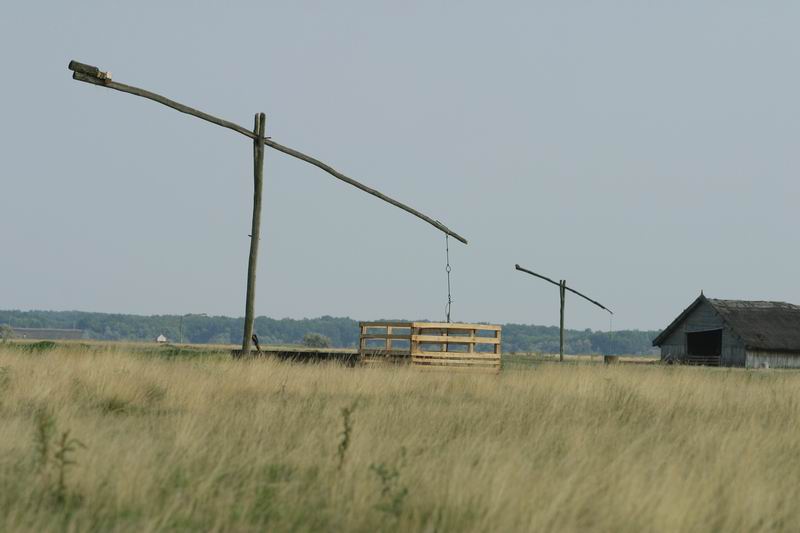 Hortobágy National Park
Photo: Andreas Poeschek, fotografikus.hu, CC BY 2.0 at
Before you go
AI wrote this from well-established facts. Check entry rules and opening hours yourself before the trip.
Good to know
- 1Hungarian, or Magyar, is not related to its Slavic, Germanic or Romance neighbours. It belongs to the Finno-Ugric family, which is distant kin to Finnish and Estonian, so very few words will look familiar.
- 2Budapest was once two separate towns, hilly Buda and flat Pest, on opposite banks of the Danube. They were joined with Óbuda in 1873, and the city sits on natural hot springs that have fed bathhouses for centuries, some dating from the Ottoman period.
- 3Paprika is central to Hungarian cooking, and goulash, which is closer to a soup than a stew, is the dish most people know. Others to look for are lángos, a fried flatbread, and chicken paprikash with small dumplings called nokedli.
- 4Hungary has a long wine tradition, and Tokaj in the northeast is famous for its sweet wines. Eger in the north is known for its red blend called Bull's Blood.
- 5The currency is the forint, not the euro, even though Hungary is in the European Union.
- 6Hungarians put the family name first and the given name second, so you will see names written in the reverse order from English.
Tips for a first visit
- Budapest is easy to explore on foot, and its trams, metro and buses cover the rest. Buy a ticket and validate it as required, since inspectors do check.
- Cards are widely accepted in cities, but carry a little cash in forints for small villages, market stalls and some toilets.
- Try a bathhouse at least once, and bring swimwear and a towel or plan to rent them. Many baths have a mix of hot and cooler pools, so it is easy to spend a few relaxed hours there.
- Exchange money at a bank or ATM rather than at street-side booths with attractive but misleading rates.
- A simple greeting in Hungarian is appreciated, even if you only manage köszönöm for thank you. Many younger people and those working in tourism speak English, and German is also common.
- When clinking glasses, locals traditionally avoid doing so with beer, a custom linked to history. Wine and pálinka, the fruit brandy, are fine to toast with.
When to go
Spring and early autumn are the most comfortable times, with mild weather that suits walking and sitting outdoors. Summer can be hot, especially in the cities, but it is the time for lakeside days at Lake Balaton and long evenings on terraces. Winter is cold and often grey, yet it is a good time for baths, cafés and Christmas markets.
Getting around
Trains link Budapest with most major towns, and the network is built around the capital, so many routes pass through it. Long-distance buses fill in where trains are slower or less frequent. For villages, wine regions and the countryside, hiring a car gives the most freedom, while Budapest itself is best explored without one.